

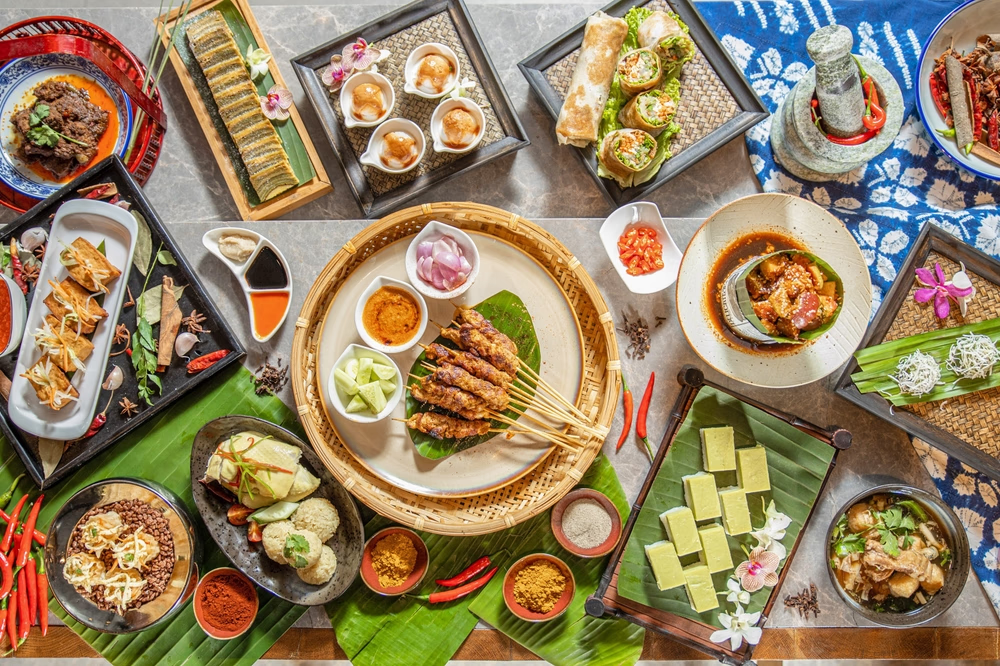
Street food is more than just a quick bite. It is a living expression of culture, heritage, memory, and local identity. Across continents, food stalls, carts, hawker centers, and night markets are the beating hearts of cities serving dishes passed down through generations.
In 2026, street food has not only become a global culinary trend but also a window into the soul of nations. Travelers and food lovers are seeking authenticity, connection, and sensory experiences rather than polished, fine-dining setups. And nothing captures the true flavors of a land better than the dishes served on its streets.
From the spice-laden lanes of India to the vibrant night markets of Thailand, from the rustic grilled flavors of Mexico to the delicate street snacks in Japan, street food embodies stories of migration, adaptation, tradition, and innovation.
This blog takes you on an immersive journey through the most iconic street foods of the world exploring not just what people eat, but why these foods matter, how they evolved, and what makes them unforgettable.
Table of Contents
- The Cultural Power of Street Food
- Asia: The Kingdom of Vibrant Street Flavors
- Europe: Comfort, Craft, and Culinary Heritage
- North America: Fusion, Innovation, and Tradition
- South America: Fire, Flavor, and Festivity
- The Middle East: Hospitality on the Streets
- Africa: Earthy, Bold, and Deeply Rooted Flavors
- Why Street Food Connects Us
- The Future of Global Street Eating
- Conclusion
- FAQs
The Cultural Power of Street Food
Street food is culture you can taste. It tells you where a city comes from, what ingredients matter to its people, and how traditions survive the pressures of modern life. In many countries, street vendors are local storytellers—serving dishes inspired by ancient recipes, family secrets, or regional customs.
Unlike restaurant meals, street food is intimate. It is eaten standing, sitting on small stools, leaning against a cart, or walking through bustling alleys. It breaks barriers between locals and strangers and turns a simple dish into a shared moment.
Street food also evolves quickly. Influenced by migration, technology, and global trade, vendors constantly refine their offerings making streets the most dynamic culinary laboratories in the world.
Asia: The Kingdom of Vibrant Street Flavors
Asia is often considered the street food capital of the world. Every country in this vast continent has its own signature dishes, prepared with incredible precision and passion.
India: A Universe of Street Food in Every State
In India, street food is synonymous with emotion. From the chaat stalls of Delhi to the vada pav vendors in Mumbai, flavors explode with spices, tang, sweetness, and crunch.
Pani puri, pav bhaji, dosa, kathi rolls, momos, poha, and countless regional specialties define the Indian street eating experience. Every city brings its own personality to familiar dishes, making the act of eating on the streets feel like a cultural festival.
Thailand: A Paradise of Night Market Delicacies
Street food in Thailand is a sensory celebration. In places like Bangkok, night markets glow with lanterns, sizzling woks, and aromatic curries.
Pad Thai, mango sticky rice, grilled skewers, tom yum soups, and coconut pancakes are among the iconic treats. Thai vendors have mastered the art of balance sweet, salty, sour, and spicy harmonizing in every bite.
Japan: Precision, Purity, and Street-Side Craft
In Japan, street food blends craftsmanship with tradition. From the vibrant districts of Tokyo to the cultural streets of Kyoto, vendors serve dishes refined over centuries.
Takoyaki, yakitori, taiyaki, okonomiyaki, and ramen stalls create a comforting yet sophisticated street food experience. Japanese street food stands out for its clean flavors, precise preparation, and aesthetic presentation even on the go.
South Korea: Trendy, Spicy, and Addictive
Street food in South Korea is dynamic and youthful. In markets like Myeongdong and Hongdae, vendors serve viral favorites like tteokbokki, hotteok, tornado potatoes, corn dogs, and gimbap.
K-culture has made Korean street food a global trend, with flavors that are bold, spicy, and irresistibly comforting.
Europe: Comfort, Craft, and Culinary Heritage
Europe’s street food scene combines tradition with modern flair. Every region reflects centuries of craftmanship, local produce, and deep-rooted culinary pride.
Italy: Simple, Rustic, and Soulful
Italian street food is all about authenticity. In cities like Naples and Florence, vendors serve pizza al taglio, arancini, porchetta sandwiches, and gelato.
Italian street food is rustic yet refined celebrating local cheese, meats, herbs, and seasonal produce.
France: Gourmet on the Streets
In France, street vendors elevate simplicity. Crepes, baguette sandwiches, socca, and roasted chestnuts bring a touch of elegance even to quick bites.
Spain: Flavorful, Festive, and Full of Energy
Street food in Spain is lively and social. In cities like Barcelona and Madrid, churros con chocolate, bocadillos, empanadas, and tapas bring people together. Spanish street food reflects warmth, celebration, and a strong community spirit.
North America: Fusion, Innovation, and Tradition
North America’s street food culture thrives on diversity. Influenced by migration, global cuisines, and local produce, vendors serve some of the most creative dishes in the world.
United States: Food Trucks and Global Fusion
In cities like Los Angeles, New York City, and Austin, food trucks have revolutionized street eating.
Korean tacos, loaded fries, lobster rolls, hot dogs, barbecue plates, pretzels, and New York-style pizzas all reflect the multicultural identity of the country.
Canada: Comfort Food With Local Charm
Canadian street food highlights warmth and local ingredients. Poutine, beaver tails, smoked meat sandwiches, and maple-infused snacks reflect both tradition and modern creativity.
South America: Fire, Flavor, and Festivity
South America’s street food is bold, colorful, and deeply connected to community traditions.
Mexico: A Street Food Legend
In Mexico, street food is a cultural treasure. Tacos, tamales, elotes, quesadillas, churros, and birria are loved worldwide.
Cities like Mexico City host some of the richest street food scenes on the planet where ancient indigenous recipes blend with Spanish influences to create explosive flavor combinations.
Brazil: Vibrant, Tropical, and Joyous
Brazilian street food—found across beaches, cities, and carnival streets offers flavors like pão de queijo, pastel, tapioca crepes, and grilled meats.
The energy of Brazilian culture is infused in every bite.
The Middle East: Hospitality on the Streets
Middle Eastern street food is fragrant, generous, and rooted in centuries-old recipes.
Shawarma, falafel, hummus bowls, manakish, kebabs, and kunafa are staples across countries like Lebanon, Jordan, the UAE, and Turkey.
Turkey: A Street Food Haven
In Turkey, especially in cities like Istanbul, simit, döner, börek, roasted chestnuts, and Turkish tea define the streets.
Turkish street food is hearty yet simple reflecting Ottoman influences blended with regional agricultural traditions.
Africa: Earthy, Bold, and Deeply Rooted Flavors
African street food is diverse, aromatic, and shaped by indigenous ingredients and community-centered cooking.
Nigeria: A Fusion of Heat and Heritage
In Nigeria, suya, puff-puff, jollof-based dishes, and grilled plantains dominate the streets.
The cuisine is bold, fiery, and unforgettable.
South Africa: Rustic and Flavor-Rich
South African street foods like boerewors rolls, bunny chow, vetkoek, and braai plates reflect the multicultural influences of the region, blending indigenous, Dutch, Malay, and Indian flavors.
Why Street Food Connects Us
What makes street food universally loved is its power to bring people together. It breaks down barriers social, cultural, and linguistic.
Whether you’re sharing noodles in Bangkok, eating churros in Barcelona, or grabbing a taco in Mexico City, the experience is the same: warmth, curiosity, and connection.
Street food teaches us that the simplest meals, often made from humble ingredients, carry the richest stories.
The Future of Global Street Eating
Street food in 2026 and beyond is becoming more globalized, sustainable, and health-conscious. Vendors are experimenting with plant-based recipes, eco-friendly packaging, and digital payments while preserving traditional flavors.
Travelers are seeking authentic, local food experiences and street vendors are bridging the gap between tradition and innovation.
The future of street food is bright, flavorful, multicultural, and deeply rooted in community.
Conclusion
Street food from around the world is a celebration of humanity. Each dish carries history, emotion, and identity. Whether spicy, sweet, smoky, or sour, street food connects people in ways that restaurants often cannot. The streets of every country offer not just flavors but stories of families, farmers, spices, seasons, migration, and resilience.
Exploring global street food is not simply about eating; it is about understanding cultures at their purest and most personal levels. In every sizzling grill, bubbling pot, and aromatic cart, there is a world waiting to be tasted.
Frequently Asked Questions (FAQs)
Which country has the best street food?
Countries like Thailand, India, and Mexico are globally ranked for their vibrant and diverse street food cultures.
Is street food safe to eat while traveling?
Yes, choose vendors with clean setups, high foot traffic, and freshly cooked food.
Why is street food important to culture?
Street food reflects local traditions, ingredients, and history, offering an authentic glimpse into daily life.
What are some iconic global street foods?
Tacos, pani puri, pad thai, sushi rolls, crepes, churros, kebabs, and poutine are among the world’s most popular.
How is street food evolving today?
Vendors are adopting modern techniques, plant-based ingredients, digital payments, and sustainable packaging while keeping classic flavors alive.