
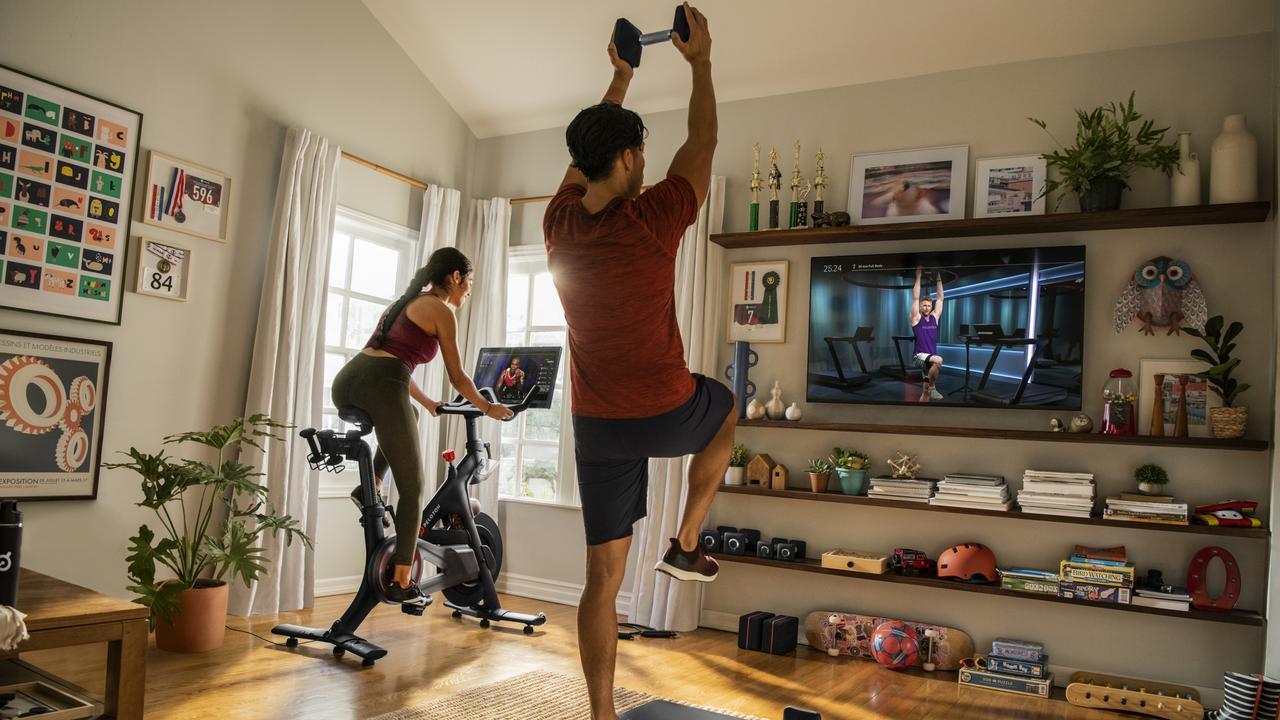
In recent years, the way Australians approach fitness and recovery has changed dramatically. Busy schedules, rising gym costs, and a growing focus on holistic wellbeing have pushed many people to look inward right into their own homes. Enter at-home fitness and recovery technologies, a fast-growing trend that’s reshaping how we exercise, heal, and stay healthy.
From smart workout equipment and AI-powered fitness apps to advanced recovery tools once reserved for elite athletes, at-home fitness technology is no longer a luxury it’s becoming a lifestyle essential. Whether you’re a working professional, a parent juggling responsibilities, or someone simply seeking convenience, these innovations make staying active and recovering properly more accessible than ever.
This article explores what at-home fitness and recovery technologies are, why they’re gaining popularity in Australia, and how they’re helping people build healthier, more sustainable routines without stepping outside their front door.
Table of Contents
- What Are At-Home Fitness & Recovery Technologies?
- Why At-Home Fitness Is Booming in Australia
- Key Types of At-Home Fitness Technologies
- The Rise of Recovery Tech for Home Use
- Benefits of Investing in At-Home Fitness & Recovery Tools
- How to Choose the Right Technology for Your Lifestyle
- The Future of At-Home Fitness & Recovery
- Conclusion
- Frequently Asked Questions (FAQs)
What Are At-Home Fitness & Recovery Technologies?
Understanding the Concept
At-home fitness and recovery technologies refer to digital tools, smart equipment, and innovative devices designed to help people exercise, monitor progress, and recover effectively from the comfort of their homes. These technologies combine convenience with science-backed methods to support physical performance, injury prevention, and overall wellbeing.
They range from interactive fitness platforms and wearable trackers to massage guns, smart foam rollers, and infrared therapy devices. What sets them apart is their ability to personalise the experience—adapting workouts and recovery plans to your body, goals, and lifestyle.
Fitness and Recovery: Two Sides of the Same Coin
While fitness focuses on movement and strength, recovery ensures your body can adapt, repair, and grow stronger. Modern at-home technologies recognise this balance, offering solutions that address both sides of the wellness journey.
Why At-Home Fitness Is Booming in Australia
Australia has seen a clear shift towards home-based wellness, driven by lifestyle changes and evolving health priorities.
Convenience Meets Consistency
For many Australians, long commutes and packed schedules make regular gym visits challenging. At-home fitness removes barriers—no travel time, no waiting for equipment, and no fixed class schedules. This convenience often leads to better consistency, which is key to long-term results.
Rising Health Awareness
Australians are becoming more proactive about their health, focusing not just on weight loss but on mobility, mental wellbeing, and injury prevention. At-home recovery technologies support this mindset by helping people care for their bodies beyond workouts.
Cost-Effective in the Long Run
While some fitness technologies involve an upfront investment, they can be more economical over time compared to ongoing gym memberships, personal training fees, and physiotherapy sessions.
Key Types of At-Home Fitness Technologies
Smart Fitness Equipment
Smart treadmills, bikes, rowing machines, and strength-training systems now come with built-in screens, guided classes, and performance tracking. These machines transform workouts into immersive experiences, keeping users motivated and engaged.
Fitness Apps and Virtual Training
Mobile apps and online platforms offer everything from yoga and HIIT to strength training and Pilates. Many use AI to adapt workouts based on progress, making them feel like a personal trainer in your pocket.
Wearable Fitness Trackers
Smartwatches and fitness bands track heart rate, steps, sleep, calories, and recovery metrics. This data-driven approach helps users understand their bodies better and make informed health decisions.
The Rise of Recovery Tech for Home Use
Massage Guns and Percussion Therapy
Once exclusive to sports clinics, massage guns are now common in Australian homes. They help reduce muscle soreness, improve circulation, and speed up recovery after workouts.
Smart Foam Rollers and Stretch Tools
These devices guide users through targeted recovery routines, combining traditional techniques with digital feedback to maximise results.
Heat, Cold, and Infrared Therapy
Portable heat pads, ice therapy tools, and infrared devices are becoming popular for pain relief, muscle relaxation, and inflammation reduction—without needing clinical visits.
Benefits of Investing in At-Home Fitness & Recovery Tools
1. Greater Control Over Your Health
At-home technologies empower individuals to take charge of their fitness and recovery on their own terms, building sustainable habits rather than relying on external schedules.
2. Personalised Wellness Experience
Many tools adapt to your fitness level, goals, and physical condition, creating a customised approach that evolves with you.
3. Improved Recovery and Injury Prevention
Regular recovery practices reduce the risk of overuse injuries and burnout, helping users stay active for longer.
4. Better Motivation and Accountability
Interactive features, progress tracking, and virtual coaching keep users engaged and motivated, even when working out alone.
5. Long-Term Time and Cost Savings
With consistent use, at-home technologies can replace or complement gym memberships, personal training, and frequent therapy sessions.
How to Choose the Right Technology for Your Lifestyle
Assess Your Goals
Are you focused on weight loss, strength, mobility, or recovery from injury? Clear goals help narrow down the most suitable tools.
Consider Your Space and Budget
Not all fitness technologies require large spaces or big budgets. Many effective solutions are compact, portable, and affordable.
Look for Ease of Use
The best technology is one you’ll actually use. Simple interfaces and guided programs make it easier to stay consistent.
Balance Fitness and Recovery
Avoid focusing only on workouts. Recovery tools are just as important for long-term health and performance.
The Future of At-Home Fitness & Recovery
The future looks promising as technology continues to evolve. We can expect smarter AI-driven coaching, deeper integration with health data, and more affordable access to advanced recovery tools. For Australians, this means even greater freedom to design personalised wellness routines that fit seamlessly into daily life.
As hybrid lifestyles become the norm, at-home fitness and recovery technologies will likely complement gyms and clinics rather than replace them—creating a balanced, flexible approach to health.
Conclusion
At-home fitness and recovery technologies are redefining how Australians stay active, healthy, and resilient. By combining convenience, personalisation, and science-backed methods, these tools make it easier than ever to prioritise wellbeing—no matter how busy life gets.
Whether you’re just starting your fitness journey or looking to enhance recovery and performance, investing in the right at-home technologies can help you build a healthier routine that truly lasts.
Frequently Asked Questions (FAQs)
Are at-home fitness technologies suitable for beginners?
Yes. Many platforms and devices are designed for all fitness levels, offering guided programs and adjustable intensity.
Do recovery tools really make a difference?
When used consistently, recovery technologies can reduce muscle soreness, improve mobility, and support faster recovery.
Can at-home fitness replace the gym completely?
For many people, yes. However, some prefer a hybrid approach that combines home workouts with occasional gym sessions.
Are these technologies expensive?
Costs vary widely. There are budget-friendly options as well as premium systems, making it possible to find something for every lifestyle.