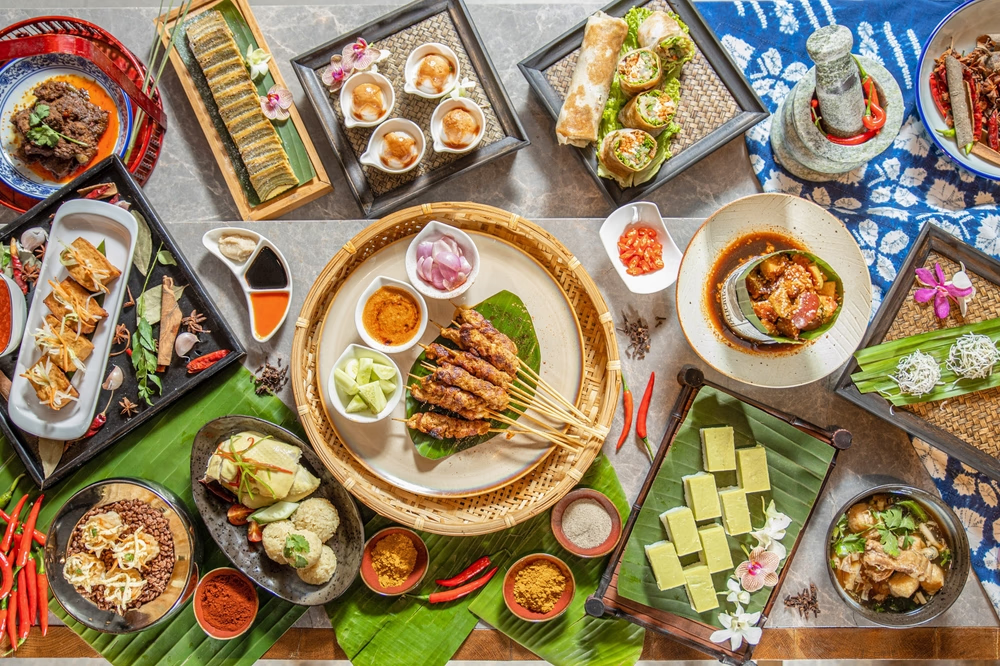

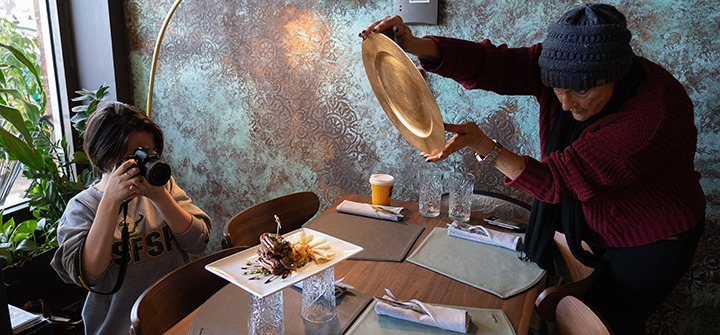
Food blogging in 2026 has evolved into an art form that blends creativity, storytelling, and visual aesthetics with data-driven content strategy. In a world where audiences scroll faster than ever, it is often the photograph—not the recipe, not the description—that convinces readers to pause. A single image can make a viewer crave a dish they have never tasted or inspire them to try a recipe they might otherwise ignore. For food bloggers and SEO-focused creators, mastering food photography is no longer optional; it is essential to success.
Today’s food bloggers function at the intersection of art and digital influence. With the help of modern photography tools, editing platforms, and social media insights, they transform everyday dishes into visually irresistible creations. The difference between an average blog and a viral food blog often lies in the quality of the visuals. The language of food imagery is universal, and good food photography has the power to transport the viewer—inviting them to smell, feel, and even taste the dish through the screen.
This comprehensive guide explores the best food photography tips for bloggers who want to elevate their blogs, increase engagement, and build a distinct visual brand. Instead of following outdated photography rules, this guide dives deep into the modern techniques bloggers use today, supported by powerful tools and an understanding of human perception.
Table of Contents
- The Rise of Food Photography in Blogging
- Why Food Photography Matters for SEO
- Understanding Lighting in Food Photography
- Choosing the Right Camera and Lenses
- Styling Food for Visual Appeal
- The Power of Backgrounds and Surfaces
- Composition Techniques for Stunning Food Photos
- Editing Tools to Enhance Food Photography
- Capturing Texture, Freshness, and Mood
- Creating a Visual Story Through Food Photos
- Building a Consistent Food Photography Style
- Mobile Photography Tips for Bloggers
- The Future of Food Photography
- Conclusion
- FAQs
The Rise of Food Photography in Blogging
Food photography has become one of the most influential elements of food blogging. Social platforms like Instagram and Pinterest have reshaped how audiences discover recipes, cooking ideas, and restaurant inspiration. Bloggers today compete not only with other bloggers but also with professional chefs, influencers, and food stylists.
What was once a hobby has now transformed into a powerful niche requiring technical knowledge, artistic capability, and strategic thinking. With the rise of digital tools, high-resolution cameras, and editing software such as Adobe Lightroom and Adobe Photoshop, food photography has become more accessible yet far more competitive.
In this environment, bloggers who invest time in photography skills gain an undeniable advantage.
Why Food Photography Matters for SEO
While SEO specialists often focus on keywords, structure, and technical optimization, they increasingly recognize that visuals play a critical role in user engagement—one of the most important ranking signals. A striking food photo can dramatically reduce bounce rate, increase time on page, and boost social sharing—all of which contribute to stronger SEO performance.
Search engines now analyze user behaviour more deeply. If readers stay longer on visually rich content, the algorithm interprets it as high-quality content. This connection between visuals and SEO means bloggers must strengthen both their written and visual skills.
Good photography also improves click-through rates on social platforms, Google Discover, and recipe carousels, making it an indispensable part of a modern SEO strategy.
Understanding Lighting in Food Photography
Lighting is the soul of food photography. Even the most beautifully plated dish loses its appeal under harsh or unbalanced lighting. Bloggers today rely primarily on natural light for its softness, warmth, and authenticity. A simple window with diffused light often produces more appealing results than expensive studio lights.
When natural light is unavailable, artificial lighting tools such as softboxes, ring lights, and LED panels allow bloggers to recreate natural effects. Sony and Canon users often pair their cameras with lightweight lighting kits to maintain a consistent look. Tools like those used in pro setups from brands like Godox help create controlled environments even in small home studios.
The key is learning how light interacts with food—how shadows create mood, how highlights add freshness, and how diffused light enhances texture.
Choosing the Right Camera and Lenses
The right equipment does not need to be the most expensive. What matters is understanding what each tool offers and how it aligns with your blogging style. Whether bloggers choose a DSLR or mirrorless camera, brands like Canon, Nikon, and Sony remain favourite choices for their clarity, focus accuracy, and low-light performance.
Prime lenses such as 50mm or 35mm are particularly popular because they capture sharp details with a natural depth of field. These lenses allow bloggers to emphasize the dish while subtly blurring the background for a professional aesthetic.
For beginners or bloggers on the go, modern smartphone cameras—supported by computational photography and apps—are often enough to produce high-quality results. The focus should always be on skill development rather than equipment cost.
Styling Food for Visual Appeal
Food styling is where creativity meets strategy. A beautifully styled plate can transform a simple recipe into a visually captivating experience. Bloggers often make thoughtful decisions about colour, shape, texture, and garnishes to enhance visual appeal. Even a sprinkle of herbs or a strategically placed lemon slice can elevate a dish’s beauty.
The goal is not to manipulate the dish but to highlight its most appealing qualities. Techniques such as layering ingredients, positioning garnishes, and adding fresh elements help create a vibrant, appetizing look. Food stylists often work with minimal props to keep the focus on the dish, avoiding clutter that distracts the viewer.
Great styling celebrates authenticity—freshness, colour, and natural imperfections.
The Power of Backgrounds and Surfaces
Backgrounds and surfaces form the visual canvas for your food photo. The right backdrop can enhance mood, theme, and storytelling. Bloggers frequently use surfaces like wooden boards, marble textures, linen fabrics, and matte ceramic plates to set a tone.
Neutral surfaces remain the most versatile, while darker backgrounds offer dramatic contrast, making vibrant dishes pop. The key is consistency—your background should complement your style, not overpower it.
Many bloggers curate a small collection of backgrounds to use throughout the year so their brand maintains a cohesive look.
Composition Techniques for Stunning Food Photos
Composition determines how viewers interact with your image. Rules like the rule of thirds, leading lines, and balance help guide the viewer’s eye toward the focal point—the food.
Overhead shots highlight shape and symmetry, making them perfect for flatlay dishes. Meanwhile, 45-degree angles replicate the way humans naturally view food, making them ideal for layered dishes such as burgers, cakes, and beverages.
Creating harmony in the frame—balancing props, spacing elements, and maintaining visual flow—makes a photograph more pleasing and memorable.
Editing Tools to Enhance Food Photography
Editing is where good photos become great. Bloggers use professional editing tools like Adobe Lightroom to adjust colour tones, lighting, and contrast while maintaining natural authenticity. Meanwhile, Adobe Photoshop allows finer touch-ups, such as correcting imperfections or enhancing textures.
These tools help bloggers develop a signature style—warm tones, minimalistic bright looks, dark and moody palettes, or bold saturated colours. Consistency in editing builds visual identity and boosts brand recognition across social platforms.
Editing should enhance reality, not distort it. The goal is to highlight the food’s true beauty.
Capturing Texture, Freshness, and Mood
Texture is what makes food feel real and appetizing. Whether it’s the crispness of toast, the creaminess of pasta, or the sparkle of a drink, capturing texture requires close attention to lighting, angles, and timing.
Freshness often hinges on photographing food quickly before it wilts or melts. A spritz of water, a drop of oil, or fresh garnishes can make a big difference.
Mood, on the other hand, expresses emotion. Dark and moody images tell a different story than bright and clean ones. Bloggers choose moods depending on cuisine—rustic breads thrive in dark tones, while salads shine in bright environments.
This blend of texture, freshness, and mood makes food photography immersive.
Creating a Visual Story Through Food Photos
Great food photography tells a story. It invites the viewer to imagine the aroma, the environment, or the moment of enjoying the dish. Props such as utensils, napkins, ingredients, or wooden boards help create context.
Storytelling allows bloggers to express culture, tradition, and personality through visual cues. It also increases emotional engagement—something algorithms reward.
Story-driven food photos stand out in crowded feeds.
Building a Consistent Food Photography Style
Consistency is essential for branding. A consistent style helps readers identify your content instantly across platforms. Bloggers build consistency through:
• Repeating colour palettes
• Using similar lighting setups
• Maintaining a cohesive editing style
• Choosing signature backgrounds
• Following a specific composition method
This consistency enhances brand authority, helps build follower loyalty, and strengthens your blog’s recognizability.
Mobile Photography Tips for Bloggers
Modern smartphones have advanced camera systems, making mobile photography a powerful tool for food bloggers. Computational photography enhances clarity, sharpness, and texture.
For mobile users:
• Shoot in natural light
• Use grid lines for better composition
• Clean the lens before shooting
• Use third-party apps for manual controls
• Edit in professional apps like Lightroom Mobile
With the right approach, smartphones can capture images that rival professional cameras.
The Future of Food Photography
The future of food photography will merge advanced camera technology with AI-powered editing tools. Software will increasingly support automated colour correction, background removal, and composition suggestions. Bloggers will rely on faster workflows, more efficient editing systems, and creative storytelling that blends photography with short-form video.
Yet authenticity will remain at the core. Audiences crave realness over perfection, and bloggers who balance creativity with honesty will continue to thrive.
Conclusion
Food photography is a powerful tool for bloggers who want to elevate their content, attract larger audiences, and build a professional brand. Beautiful images strengthen storytelling, improve SEO, and inspire emotional connection—key factors for blogging success.
By mastering lighting, styling, composition, editing, and storytelling, every blogger can transform simple dishes into stunning visual experiences. Food photography is not just about capturing food; it is about capturing emotion, culture, and memory in a single frame. And for bloggers who invest in these skills, the rewards are lasting and limitless.
FAQs
What is the most important element in food photography?
Lighting is the most crucial element because it shapes texture, freshness, and mood.
Can I take professional food photos using a smartphone?
Yes. Modern phones offer excellent camera quality, and with the right techniques, they can produce professional-level images.
Which editing app is best for food bloggers?
Tools like Adobe Lightroom are ideal for enhancing colours, tones, and textures.
What types of backgrounds work best for food photography?
Neutral backgrounds, textured surfaces, or wooden boards create a clean and consistent visual style.
How can food bloggers improve consistency?
Developing a recognizable editing style, using the same lighting setup, and choosing coordinated backgrounds help maintain consistency.