

Home improvement in 2026 is no longer about expensive renovations, picture-perfect interiors, or copying trends blindly. As lifestyles become faster, more digital, and more conscious, people are rethinking what their homes truly need to support. Today’s homeowners are not asking, “How can my home look better?” Instead, they are asking, “How can my home help me live better?”
Modern homes must support productivity, mental well-being, sustainability, and comfort. DIY solutions are becoming smarter, technology is becoming more intuitive, and living spaces are evolving into flexible environments that adapt to daily life. Smart living in 2026 focuses on efficiency without complexity, upgrades without excess, and improvements that make everyday living easier rather than overwhelming.
This blog explores how home improvement, DIY culture, and smart living are evolving in 2026, and why practical, human-centered changes are making the biggest long-term impact.
Table of Contents
- The Evolution of Home Improvement in 2026
- DIY as a Practical and Empowering Lifestyle
- Designing Homes for Comfort and Function
- Smart Living Beyond Gadgets
- Sustainable Choices That Fit Real Life
- Creating Flexible and Multi-Purpose Spaces
- Small Upgrades That Deliver Big Impact
- Maintaining Consistency Without Over-Renovation
- The Future of Home Improvement and Smart Living
- Conclusion
- Frequently Asked Questions (FAQs)
The Evolution of Home Improvement in 2026
Home improvement in 2026 reflects how people actually live. Remote work, hybrid lifestyles, and rising energy costs have changed priorities. Instead of large, disruptive renovations, homeowners now prefer gradual, thoughtful upgrades that improve comfort, efficiency, and usability.
The biggest shift is the move away from perfection toward practicality. Homes are no longer showpieces; they are living systems. Improvements focus on airflow, lighting, storage, and layout rather than surface-level aesthetics. This evolution explains why sustainable materials, modular furniture, and energy-efficient upgrades are more popular than ever.
DIY as a Practical and Empowering Lifestyle
DIY in 2026 is not just a hobby; it is a mindset. People are choosing to fix, upgrade, and personalize their homes themselves to save money, reduce waste, and feel more connected to their living spaces. Online tutorials, short-form videos, and smart tools have made DIY more accessible than ever.
What makes DIY effective today is its simplicity. Instead of complex projects, people focus on achievable improvements such as wall upgrades, lighting changes, storage solutions, and minor repairs. These small efforts build confidence and create a sense of ownership that professional renovations often lack.
Designing Homes for Comfort and Function
Comfort has become the foundation of modern home design. In 2026, people design spaces that support how they feel, not just how they look. Natural light, ventilation, noise control, and ergonomic layouts are prioritized over decorative trends.
Functional design works because it reduces daily friction. When a home flows naturally, daily tasks require less effort, stress levels drop, and overall well-being improves. Comfort-driven design ensures that homes remain supportive even as routines change.
Smart Living Beyond Gadgets
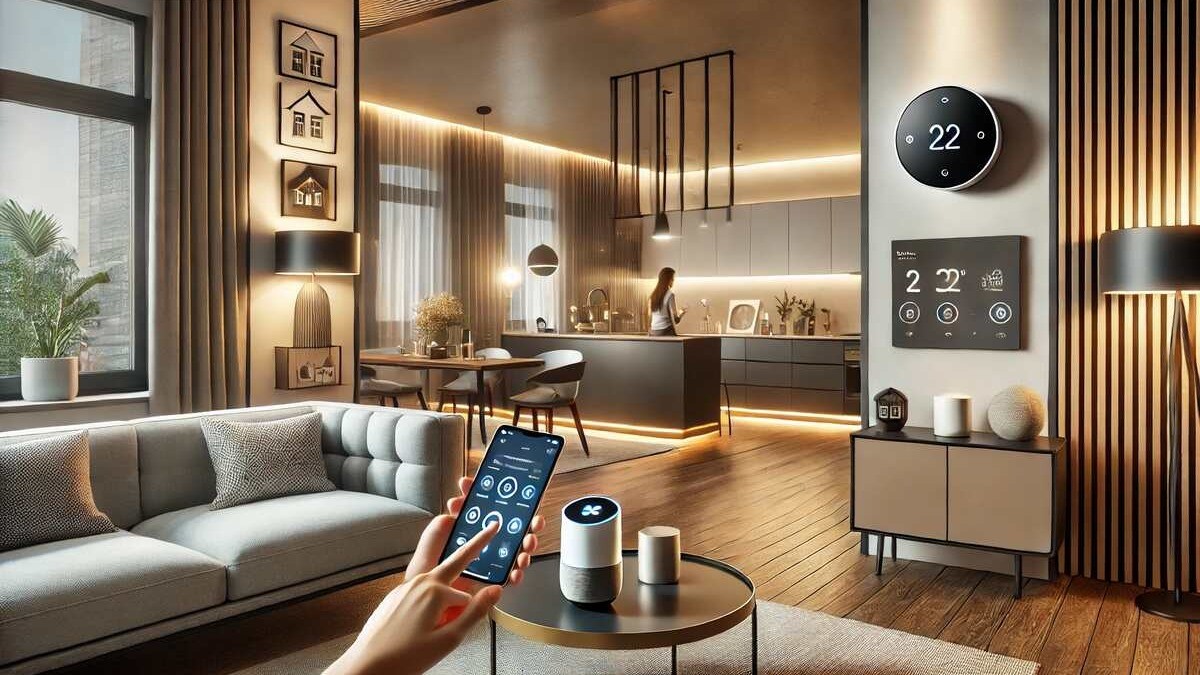
Smart living in 2026 goes far beyond installing smart devices. While automation plays an important role, true smart living focuses on intentional use of technology. Homes are becoming intelligent ecosystems where lighting, temperature, security, and energy use adapt to daily needs.
This approach works because it simplifies life rather than complicating it. Smart systems are designed to reduce manual effort, save energy, and increase safety without demanding constant attention. When technology works quietly in the background, it enhances living instead of distracting from it.
Sustainable Choices That Fit Real Life
Sustainability in home improvement is no longer about extreme measures. In 2026, people choose eco-friendly solutions that are realistic and affordable. Energy-efficient appliances, water-saving fixtures, low-maintenance materials, and waste-reducing DIY practices are becoming standard.
These choices work because they align with daily habits. Sustainable homes lower utility costs, reduce environmental impact, and require less maintenance over time. When sustainability fits naturally into everyday life, it becomes a long-term lifestyle rather than a temporary trend.
Creating Flexible and Multi-Purpose Spaces
Homes in 2026 must serve multiple roles. A single room may function as a workspace, relaxation area, and family gathering space throughout the day. This has increased demand for flexible layouts, movable furniture, and modular storage.
Multi-purpose spaces work because they adapt to changing needs without requiring constant renovation. Flexibility allows homes to evolve alongside personal and professional life, making them more future-proof and cost-effective.
Small Upgrades That Deliver Big Impact
One of the most effective home improvement trends in 2026 is focusing on small, high-impact upgrades. Lighting improvements, smart plugs, better storage, improved insulation, and simple DIY fixes often deliver more value than major renovations.
These upgrades work because they address everyday pain points. Small improvements reduce clutter, improve energy efficiency, and enhance comfort without overwhelming budgets or schedules.
Maintaining Consistency Without Over-Renovation
Successful home improvement is built on consistency, not constant change. In 2026, homeowners avoid frequent redesigns and instead make gradual improvements over time. This approach prevents renovation fatigue and financial stress.
Consistency works because it allows homeowners to learn what truly improves their quality of life. Homes grow and improve organically, staying aligned with real needs rather than fleeting trends.
The Future of Home Improvement and Smart Living
The future of home improvement is adaptive and personalized. There is no single “perfect home.” Smart living will continue to integrate AI, automation, and sustainable design, but always with a focus on human comfort.
Homes of the future will listen, respond, and evolve. Those who succeed in creating better living spaces are not the ones who spend the most, but those who design intentionally.
Conclusion
Home improvement, DIY, and smart living in 2026 are about building spaces that support real life. Instead of chasing trends or perfection, people are choosing comfort, flexibility, and sustainability. Thoughtful DIY projects, practical smart technology, and mindful design choices create homes that feel supportive rather than demanding.
The best homes today are not the most expensive or technologically advanced. They are the ones that make daily life easier, calmer, and more meaningful. When homes evolve with intention, they become more than spaces—they become partners in better living.
Frequently Asked Questions (FAQs)
What are the most important home improvement trends in 2026?
Practical DIY upgrades, energy efficiency, smart automation, and flexible living spaces are among the most important trends.
Is smart living expensive to implement?
Not necessarily. Many smart living solutions, such as smart plugs, lighting, and energy management tools, are affordable and offer long-term savings.
Why is DIY so popular in 2026?
DIY empowers homeowners, reduces costs, minimizes waste, and allows personalization without large renovations.
Can small home upgrades really make a difference?
Yes. Small, targeted improvements often provide better comfort and efficiency than large-scale renovations.
How can I make my home more sustainable without major changes?
Focus on energy-efficient appliances, water-saving fixtures, better insulation, and mindful consumption habits.