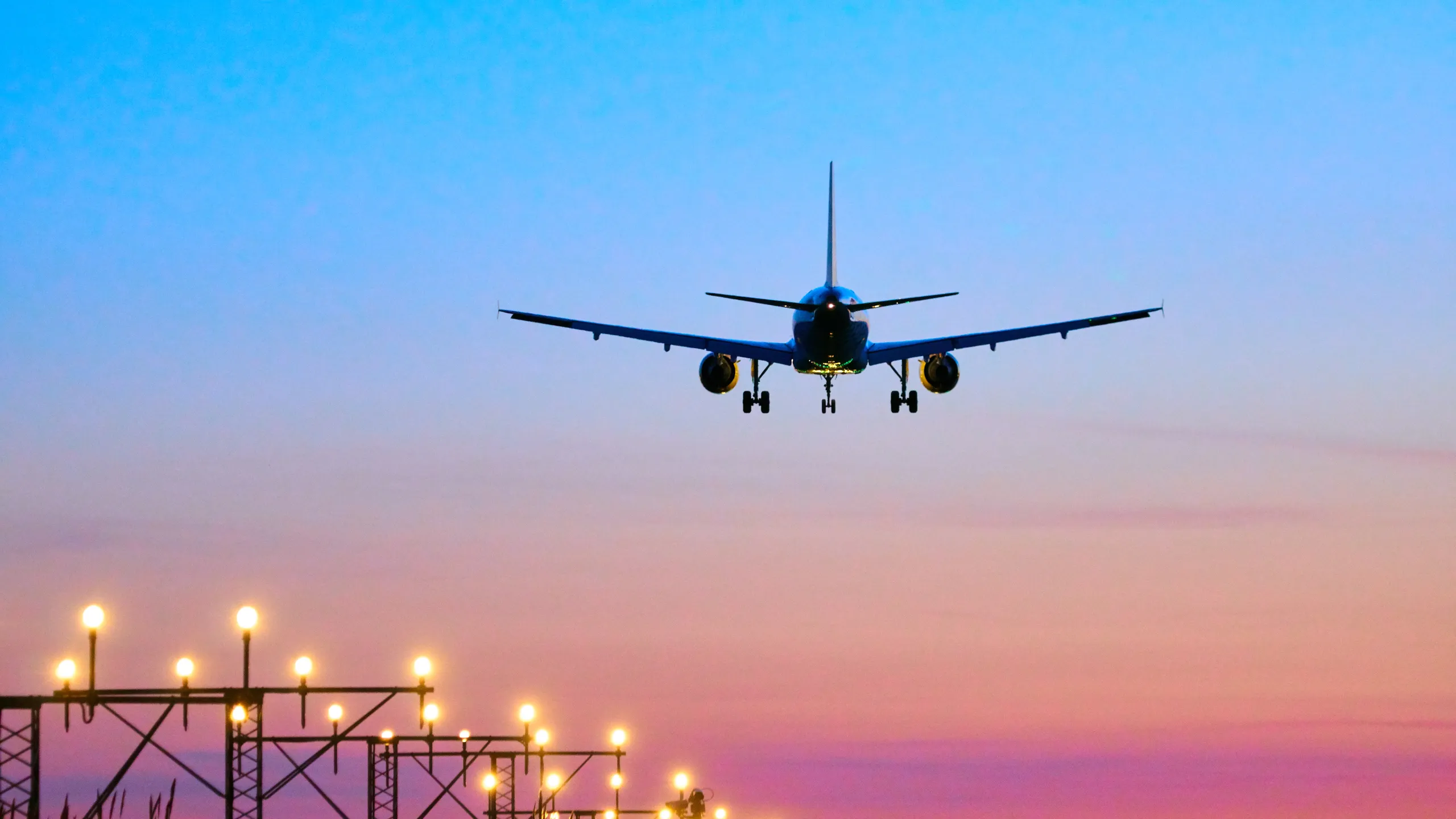


Remote work has completely redefined what a workday looks like. In 2026, working from a beach café, mountain town, or another country is no longer a dream reserved for a few. With better internet access, global work culture, and flexible jobs, traveling while working remotely has become a realistic lifestyle choice.
However, the freedom to work from anywhere also comes with challenges. Managing productivity, staying connected, handling time zones, and maintaining balance can be difficult when your environment keeps changing. This blog shares practical remote work tips that actually help you stay productive, professional, and stress-free while traveling.
Table of Contents
- The Rise of Remote Work and Travel
- Choosing the Right Destinations for Remote Work
- Creating a Reliable Work Setup on the Go
- Managing Time Zones and Work Schedules
- Staying Productive While Exploring New Places
- Internet, Security, and Backup Planning
- Maintaining Work-Life Balance While Traveling
- Avoiding Burnout as a Digital Nomad
- The Future of Remote Work Travel
- Conclusion
- Frequently Asked Questions (FAQs)
The Rise of Remote Work and Travel
Remote work is no longer limited to freelancers or startups. Large companies now support hybrid and fully remote roles, making location independence more common than ever. As a result, many professionals are combining work with travel to experience new cultures without putting their careers on hold.
This shift has created a new way of living where work fits into life rather than the other way around. But to make this lifestyle sustainable, structure and discipline are essential.
Choosing the Right Destinations for Remote Work
Not every travel destination is remote-work friendly. When choosing where to go, internet reliability, time zone compatibility, cost of living, and safety matter more than tourist attractions. Cities with strong digital infrastructure and coworking spaces make remote work significantly easier.
In 2026, many destinations actively cater to remote workers, offering long-stay visas, coworking hubs, and community events. Choosing the right location reduces stress and helps you stay focused while still enjoying your surroundings.
Creating a Reliable Work Setup on the Go
A consistent work setup is one of the most important remote work tips while traveling. Even if your location changes, your tools should remain the same. A lightweight laptop, noise-canceling headphones, and essential software help maintain continuity.
Having a familiar setup signals your brain that it is time to work, regardless of where you are. This habit improves focus and reduces the mental effort needed to adjust every day.
Managing Time Zones and Work Schedules
Time zones can either enhance flexibility or create chaos. Successful remote workers plan their travel around work hours or adjust schedules in advance. Clear communication with teams or clients about availability prevents misunderstandings and missed deadlines.
In 2026, asynchronous work is more accepted, but reliability still matters. Setting clear working windows helps maintain professionalism while allowing freedom to explore.
Staying Productive While Exploring New Places
One of the biggest challenges of working while traveling is distraction. New destinations naturally create excitement, making it tempting to postpone work. The key is not avoiding fun, but scheduling it intentionally.
Remote workers who succeed create daily routines that prioritize work first and exploration later. This approach removes guilt and allows you to fully enjoy travel without compromising productivity.
Internet, Security, and Backup Planning
Reliable internet is the backbone of remote work. Always check connectivity before booking accommodations and carry a mobile hotspot as a backup. Public Wi-Fi may be convenient, but security should never be ignored.
Using VPNs, cloud backups, and secure passwords protects sensitive work data. In 2026, digital security is just as important as physical safety for traveling professionals.
Maintaining Work-Life Balance While Traveling
When your workplace is everywhere, boundaries become even more important. Many remote workers struggle to disconnect because travel blurs the line between work and leisure.
Setting clear start and end times for work helps protect personal time. This habit keeps travel enjoyable and prevents work from consuming the entire experience.
Avoiding Burnout as a Digital Nomad
Constant movement can be exhausting. Traveling too frequently without rest leads to decision fatigue and burnout. Experienced remote workers balance movement with stability by staying longer in each location.
This slower travel approach improves productivity, reduces stress, and creates a deeper connection with places. Sustainable travel is key to long-term remote work success.
The Future of Remote Work Travel
Remote work and travel will continue to grow together. Companies are becoming more flexible, and governments are adapting with digital nomad visas and infrastructure. In the future, working while traveling will feel less like an exception and more like a standard lifestyle option.
Those who succeed will be the ones who treat remote work as a responsibility, not a vacation with occasional tasks.
Conclusion
Traveling while working remotely offers incredible freedom, but it requires discipline, planning, and self-awareness. The most successful remote workers focus on consistency, communication, and balance rather than chasing constant adventure.
Remote work tips while you travel are not about restricting freedom. They are about creating a lifestyle that supports both career growth and meaningful experiences. With the right habits, working from anywhere can be both productive and fulfilling.
Frequently Asked Questions (FAQs)
Can remote work really be done while traveling?
Yes. With proper planning, reliable internet, and clear communication, remote work while traveling is highly achievable.
How many hours should I work while traveling?
This depends on your job, but most remote workers stick to a fixed daily schedule to maintain consistency.
Is it better to travel fast or slow while working remotely?
Slow travel is usually better. Staying longer in one place reduces stress and improves productivity.
What are the biggest challenges of remote work travel?
Internet reliability, time zones, distractions, and burnout are the most common challenges.
Do companies support remote work while traveling?
Many do, but policies vary. Always confirm expectations and legal requirements before traveling.