

Travel in Australia is changing and it is not just about Sydney skylines or Melbourne laneways anymore. Something quieter, deeper, and more meaningful is drawing travellers away from big cities and into the heart of the country. In 2026, regional Australia is no longer a detour. It is the destination. From coastal towns with empty beaches to outback landscapes that feel untouched by time, travellers are seeking experiences that feel real, local, and personal. They want fewer crowds, stronger connections, and stories worth remembering.
Tourism is moving away from fast itineraries and bucket lists toward slow travel, community-led experiences, and nature-driven escapes. This blog explores why regional Australia is becoming the biggest travel trend in 2026 and why it might be the most rewarding way to experience the country.
Table of Contents
- The Evolution of Travel in Australia
- What Regional Travel Really Means
- Why Travellers Are Choosing Regional Australia
- Experiences You Can Only Find Outside Major Cities
- Benefits of Exploring Regional Australia
- Challenges of Regional Travel
- The Future of Tourism in Regional Australia
- Conclusion
- Frequently Asked Questions (FAQs)
The Evolution of Travel in Australia
From City Highlights to Meaningful Journeys
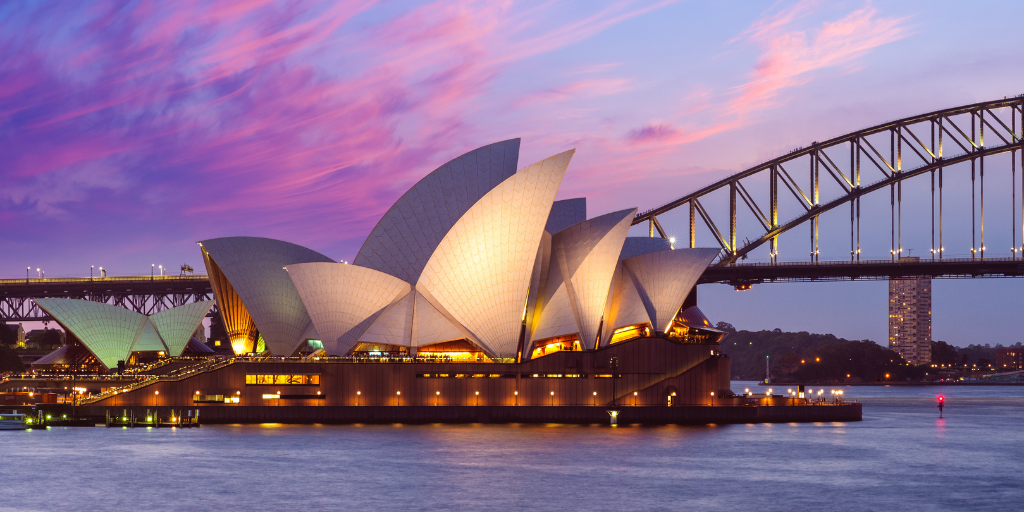
For decades, Australian travel revolved around major cities and famous landmarks. Sydney Opera House. Great Barrier Reef. Melbourne cafés. While these places remain iconic, travellers are beginning to feel something missing. Crowds. High costs. Rushed experiences. In contrast, regional destinations offer something cities cannot. Time to slow down. Space to breathe. And moments that feel genuinely personal. Travel is no longer about seeing more places. It is about feeling more connected to them.
This shift in mindset has pushed regional Australia into the spotlight, transforming small towns and remote regions into some of the most sought-after destinations in the country.
What Regional Travel Really Means
Understanding Regional Australia
Regional Australia includes coastal towns, rural landscapes, wine regions, mountain ranges, deserts, and Indigenous lands beyond major metropolitan areas. It is where Australia’s culture, history, and natural beauty feel most alive.
Regional travel is about:
- Staying longer in fewer places
- Supporting local communities
- Experiencing nature without crowds
- Learning stories directly from the people who live there
It is not about luxury or speed. It is about authenticity.
Why Travellers Are Choosing Regional Australia
1. Escape from Overcrowded Destinations
Popular cities are busier than ever.
Queues, packed attractions, and rising accommodation costs are pushing travellers to look elsewhere. Regional Australia offers open spaces, quiet roads, and peaceful environments where travel feels relaxing again. You can watch the sunset without sharing it with hundreds of strangers.
2. Rise of Slow and Conscious Travel
In 2026, travellers want more than photos.
They want meaning.
Regional travel encourages slower itineraries, deeper experiences, and intentional choices. Whether it is staying on a farm, joining a local workshop, or exploring nature trails, the focus shifts from ticking boxes to truly being present.
3. Stronger Connection to Nature
Regional Australia is rich in natural wonders.
Think:
- Untouched beaches
- Ancient rainforests
- Red desert landscapes
- Vast national parks
Nature is no longer a side attraction. It is the main reason people travel and regional areas offer it in its purest form.
4. Authentic Local Culture and Stories
In regional towns, you meet the people behind the place. Local café owners. Winemakers. Artists. Indigenous guides. These interactions turn trips into stories and destinations into memories. It is travel that feels human, not commercial.
5. Better Value for Money
Travel costs continue to rise, but regional Australia remains more affordable. Accommodation is often cheaper. Experiences feel more personal. Meals are generous and locally sourced. Travellers are realising they can get more value and richer experiences outside the cities.
Experiences You Can Only Find Outside Major Cities
1. Indigenous-Led Cultural Experiences
Regional Australia offers meaningful opportunities to learn from Aboriginal and Torres Strait Islander communities. Guided walks, storytelling sessions, and cultural workshops provide insight into one of the world’s oldest living cultures. These experiences are respectful, educational, and deeply moving.
2. Farm Stays and Agritourism
Staying on a working farm has become one of the fastest-growing travel trends.
Travellers can:
- Learn about local produce
- Participate in farm activities
- Enjoy home-cooked meals
It creates a sense of belonging that hotels rarely offer.
3. Wine, Food, and Regional Produce Trails
Australia’s wine regions are no longer just about tastings.
They are immersive journeys through landscapes, seasonal food, and passionate local producers. From Margaret River to Barossa Valley, regional food culture is becoming a travel highlight.
4. Adventure Without Crowds
Hiking, kayaking, stargazing, and wildlife encounters feel different when you are not surrounded by tourists. Regional Australia allows adventure to feel personal, peaceful, and deeply connected to nature.
Benefits of Exploring Regional Australia
1. Deeper Travel Satisfaction
Travellers return home feeling refreshed, inspired, and fulfilled. Regional travel creates emotional connections, not just visual memories.
2. Sustainable and Responsible Tourism
Choosing regional destinations helps reduce overtourism in cities and supports small communities. Money spent locally stays local, benefiting families, businesses, and conservation efforts.
3. Unique and Unrepeatable Experiences
Every region has its own rhythm, traditions, and stories. No two trips feel the same, making regional travel endlessly rewarding.
4. Mental and Emotional Wellbeing
Quiet environments, nature immersion, and slower travel have a positive impact on mental health. Many travellers describe regional trips as healing, grounding, and rejuvenating.
Challenges of Regional Travel
1. Limited Public Transport
Some regional areas require a car to explore properly. However, road trips are becoming part of the adventure itself.
2. Fewer Accommodation Options
Availability can be limited during peak seasons, making early planning essential.
3. Connectivity Issues
Internet and mobile signals can be weak in remote areas. For many travellers, this digital break is actually a benefit.
4. Less Nightlife and Entertainment
Regional travel is not about nightlife or shopping. It is about simplicity, nature, and connection.
The Future of Tourism in Regional Australia
1. Community-Led Tourism Growth
Local communities are taking control of tourism, offering experiences rooted in authenticity and respect.
2. Increased Government and Tourism Support
Investment in infrastructure, sustainability, and regional promotion is accelerating growth.
3. Rise of Remote Work Travel
With flexible work becoming normal, travellers are staying longer in regional areas, blending work and exploration.
4. Focus on Sustainability and Preservation
Future tourism will prioritise environmental care, cultural respect, and long-term benefits for regional communities. Regional Australia is not just trending.It is becoming the future of travel.
Conclusion
In 2026, travel is no longer about rushing between famous landmarks. It is about slowing down, connecting deeply, and choosing experiences that matter.
Regional Australia offers everything modern travellers are searching for.
Authenticity. Nature. Community. Value. Meaning.
As more people move away from crowded cities and toward genuine experiences, regional Australia stands at the heart of this global shift. The new luxury is not five-star hotels. It is space, silence, stories, and connection and regional Australia delivers all of it.
Frequently Asked Questions (FAQs)
1. What is regional Australia?
Regional Australia refers to areas outside major cities, including rural towns, coastal regions, and remote landscapes.
2. Why is regional travel trending in 2026?
Travellers are seeking authentic experiences, fewer crowds, lower costs, and deeper connections with nature and local culture.
3. Is regional Australia suitable for international tourists?
Yes. Many regions are tourist-friendly and offer unique experiences that international travellers value.
4. Is it expensive to travel regional Australia?
Generally, it is more affordable than city travel, especially for accommodation and local experiences.
5. Do I need a car to explore regional Australia?
In most cases, yes. Road trips are one of the best ways to experience regional destinations fully.